
Promoting Independence in Older Adults
Take steps to prevent falls and maintain your independence!
The CDC reports that 1 in 4 older adults fall each year, leading to serious injuries and even death. In 2019, 83% percent of hip fracture deaths and 88% of emergency department visits and hospitalizations for hip fractures were caused by falls (CDC).
In 2026, the National Council on Aging reports that approximately 10% of all older adults aged 80 and older, have significant vision loss. The prevalence of low vision varies from 10% to 33%, depending on the source. Older Adults with low vision have a much higher rate of poor health and experience a higher rate of falls.
In 2023 in San Diego, 28.7% of older adults (60 years+) reported a fall in the preceding year (SD County, 2026)
The good news is that falls are preventable!
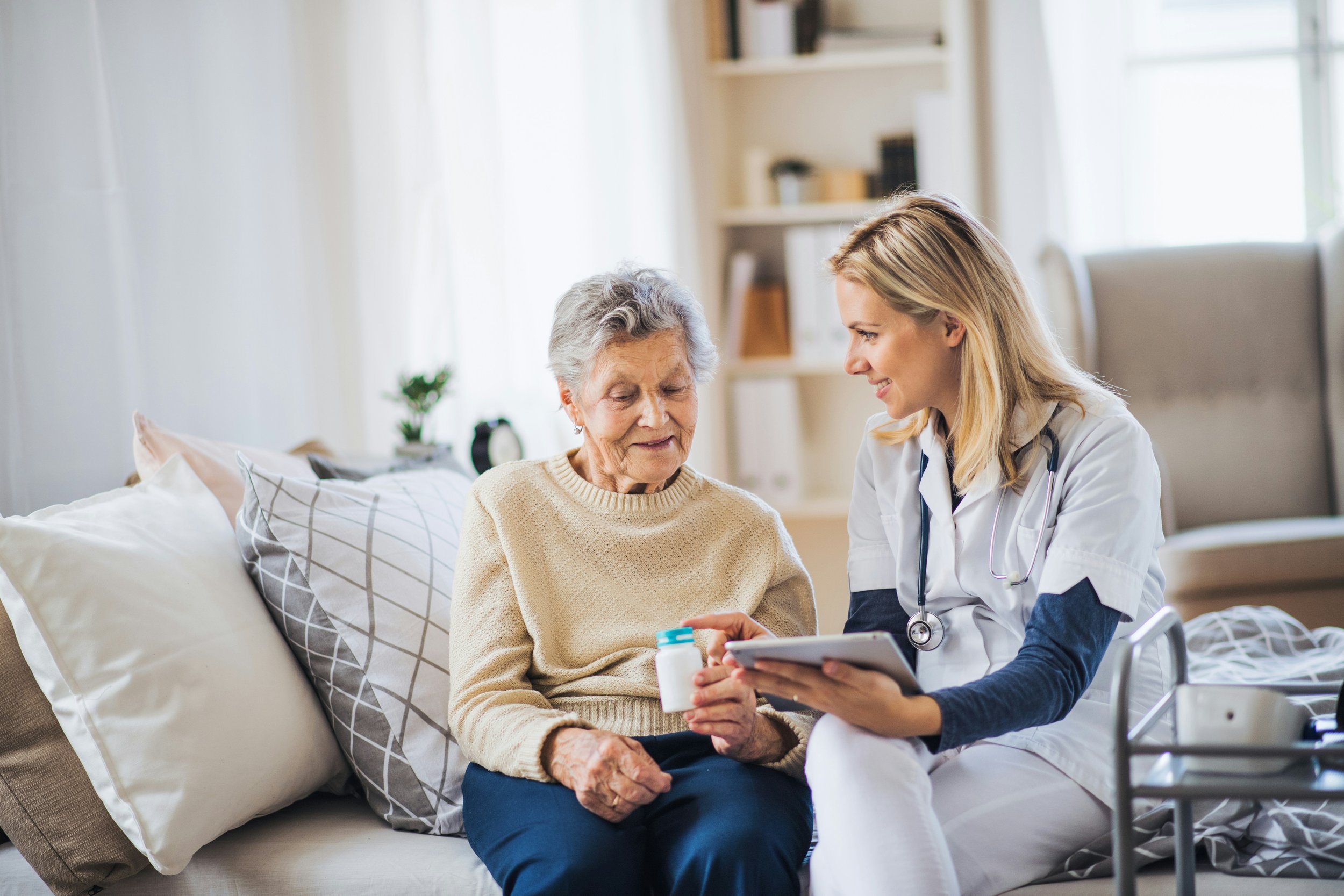
Occupational therapists are uniquely trained to address the multiple factors (physical, cognitive, visual, environmental) which contribute to falls. Promoting Independence in Older Adults is staffed by highly competent occupational therapists who provide a comprehensive two-hour assessment which takes into consideration each client's unique situation, and then works with the client and/or family members to identify methods to reduce fall risk.
Following the initial visit, clients will receive a detailed assessment of their fall risk, and recommendations to reduce the incidence of falls. The client and staff will then collaborate on goals and steps to improve safety in the home through follow-up training sessions to determine preferred adaptive equipment, education will be provided on correct use of equipment, and instruction given in how to modify daily living tasks to reduce your risk of a fall.
For clients with low vision, special emphasis will be placed on low vision modifications such as increased use of lighting, contrast, magnification, and use of adaptive equipment.
If you are over the age of 65, are fearful of falling, have fallen in the last year, are visually impaired, require help in managing daily activities, and/or are concerned about remaining safely in your home, then consider utilizing the services of
Promoting Independence in Older Adults.
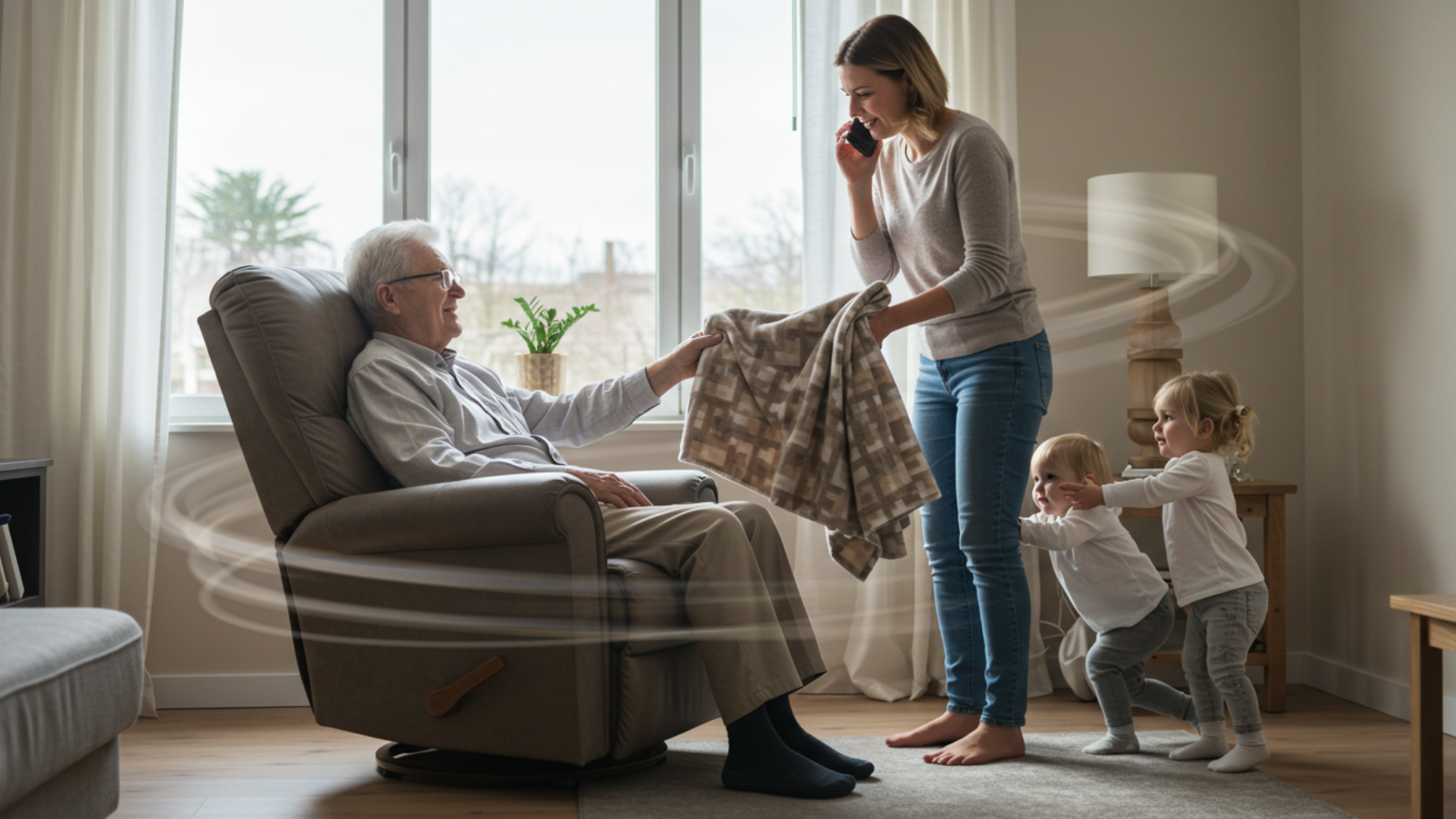
Home Safety Evaluation Includes…
Goals for remaining in your home
Independence in daily living activities
Standardized balance and fear of falling assessments
Vision screening
Cognitive screening if appropriate
Medication inventory
Accessibility of home environment (interior and exterior)
Written report with recommendations listed (equipment, home and daily living activities modifications)
Need for follow-up training sessions
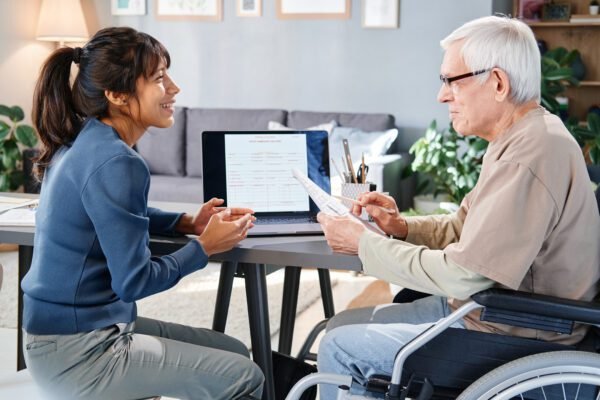
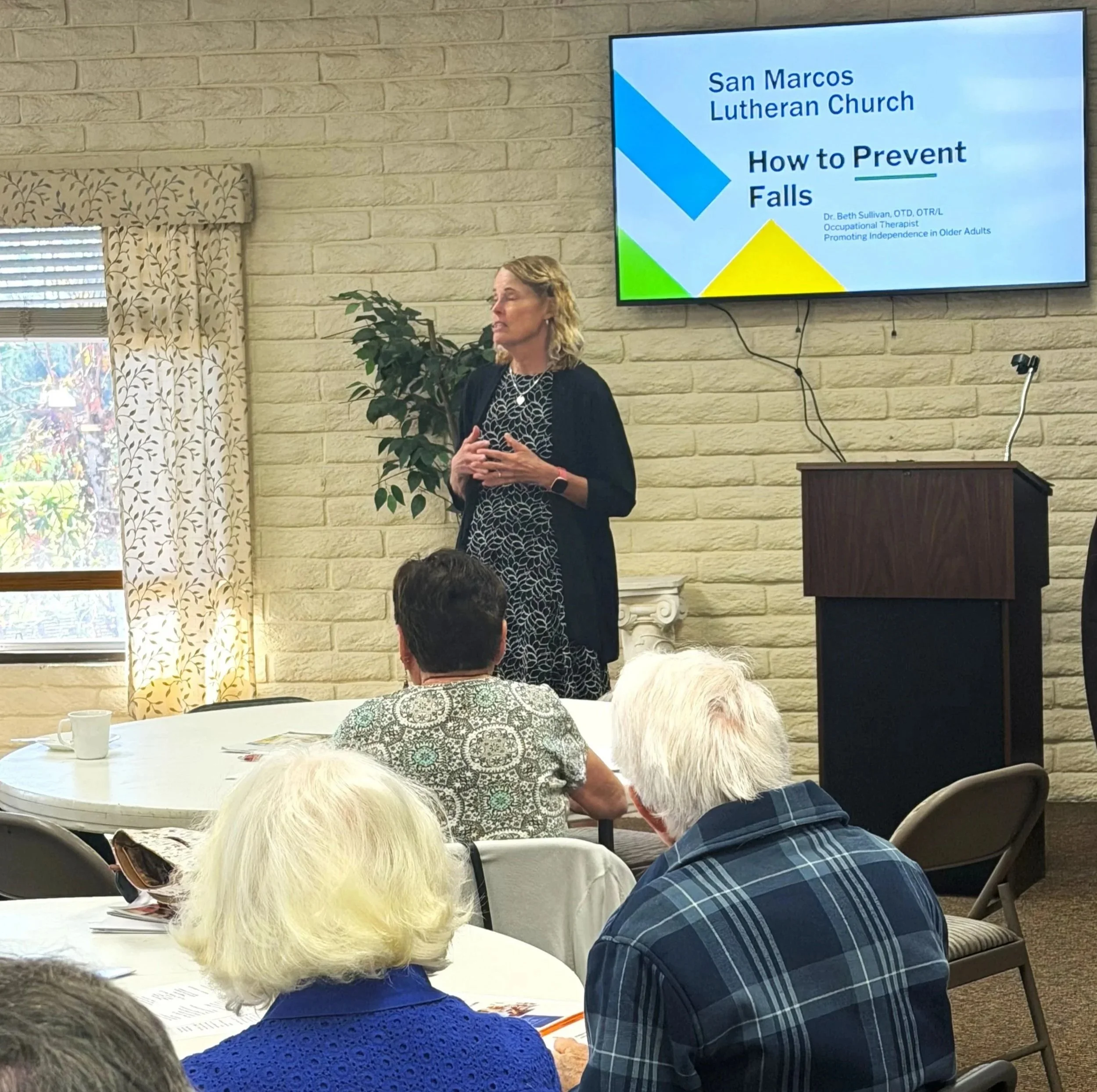
After engaging in a structured fall prevention program:
100% of participants were more comfortable discussing their fear of falling with others.
88% of participants indicated they would make changes in their home to improve safety and prevent falls.
100% of participants stated they are more likely to increase their level of activity to prevent a fall.